


The phrase tyre island can refer to more than one idea, but one of its most historically significant meanings is connected with the ancient city of Tyre in modern-day Lebanon. Tyre was once a powerful Phoenician coastal city built partly on an offshore island, making it an important center for trade, navigation, and maritime activity. Today, the name continues to attract interest because of its remarkable history, archaeological remains, and changing relationship with the surrounding coastline.
Understanding tyre island requires looking beyond the modern meaning of the word “tyre,” which commonly refers to a vehicle tire in British English. In historical discussions, Tyre is a place name. This distinction is important because searches for tyre island can lead to information about ancient geography, archaeology, maritime history, or modern tire-related businesses.
What Is Tyre Island?
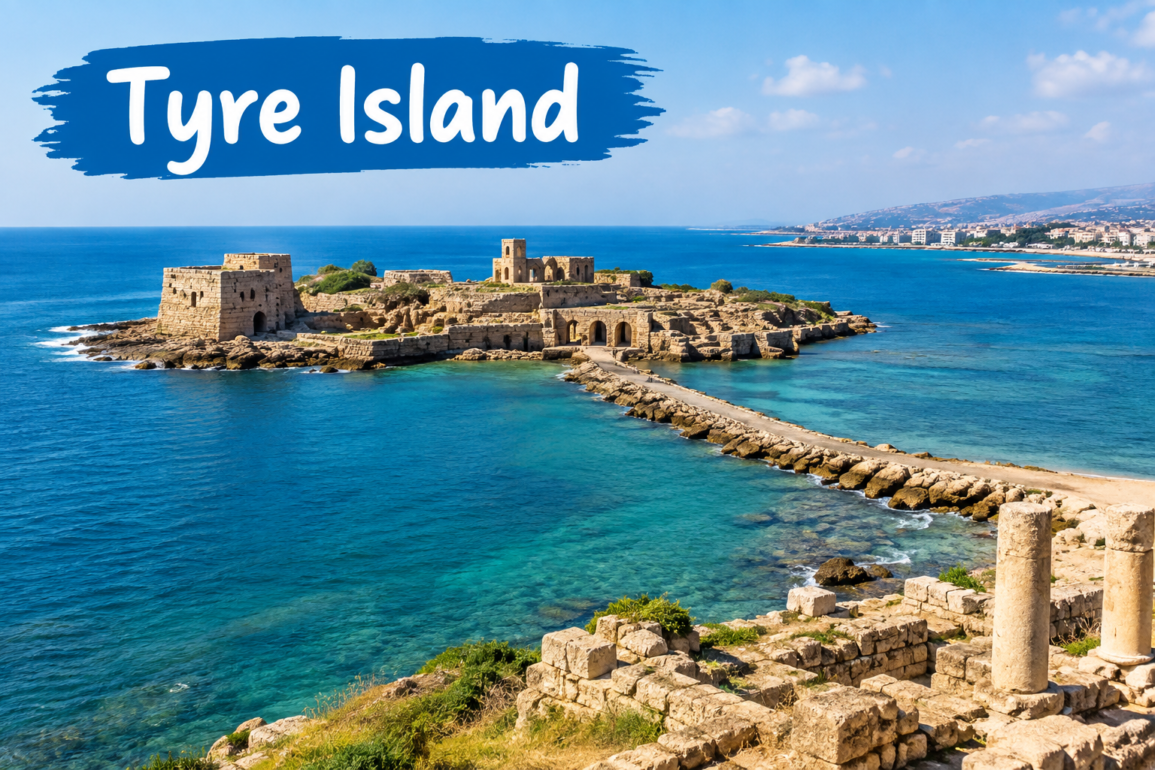
Tyre island was the offshore part of the ancient Phoenician city of Tyre. The historic city developed around a coastal settlement and an island located several hundred metres from the mainland. The island offered natural defensive advantages and provided access to important Mediterranean sea routes.
The location helped Tyre become an influential maritime center. Phoenician sailors and merchants developed extensive commercial networks across the Mediterranean, and Tyre became particularly associated with seafaring and trade.
The ancient island was relatively compact compared with the modern urban area. Its position in the Mediterranean gave residents direct access to surrounding sea routes while its offshore setting offered protection from many land-based attacks.
The Ancient City of Tyre
The story of tyre island is closely connected with the history of the Phoenicians. Tyre was one of the major Phoenician cities of the ancient Mediterranean and played an important role in commerce and maritime expansion.
The city became famous for producing valuable purple dye, which was highly prized in the ancient world. Tyre also established commercial connections and colonies across the Mediterranean, helping spread Phoenician influence far beyond the eastern Mediterranean coast.
Its position beside the sea gave tyre island an important geographical advantage. Ships could approach the city through its harbors, while the island’s surrounding waters and fortifications provided additional protection.
Why Was the Island Important?
The island’s importance came from a combination of geography, commerce, and defense. A settlement positioned offshore could be harder for land-based armies to attack. At the same time, its location allowed merchants and sailors to maintain direct access to the Mediterranean.
The island also contained important urban and religious structures. Over centuries, residents modified the natural landscape, expanded built-up areas, and connected different parts of the coastal environment.
Alexander the Great and Tyre Island
One of the most famous events associated with tyre island occurred during the siege of Tyre by Alexander the Great in 332 BCE.
At the time, the island city had strong defenses and was separated from the mainland by water. Alexander’s forces needed a way to bring their troops and siege equipment closer to the fortified settlement.
The solution was the construction of a massive causeway, or mole, extending from the mainland toward the island. Workers used stones, timber, and other materials to build a pathway across the water.
The siege eventually ended with the capture of Tyre. The causeway had consequences beyond the military campaign because it contributed to the long-term physical transformation of the coastline.
How Tyre Island Changed Over Time
The geography surrounding tyre island did not remain unchanged. Natural sediment movement combined with human construction gradually altered the coastal environment.
The original island was surrounded by a more complex shoreline than the modern landscape suggests. Geological evidence and archaeological research have helped researchers reconstruct aspects of its earlier shape and identify features that may now be buried or submerged.
Over many centuries, sediments accumulated around the causeway and nearby waters. These processes contributed to the development of a land connection between the former island and mainland.
As a result, visitors today do not experience tyre island exactly as ancient inhabitants would have seen it. The ancient offshore setting has become part of the modern coastal city.
Tyre Island and Phoenician Trade
Trade was central to the importance of tyre island. Phoenician merchants established commercial relationships throughout the Mediterranean, moving goods between different ports and settlements.
Tyre became especially famous for products associated with luxury and craftsmanship. Purple dye, in particular, became closely connected with the city’s reputation. The dye was valuable because of the complex process required to produce rich purple colors from marine organisms.
The city’s maritime position also supported shipbuilding, fishing, transportation, and commercial exchange. These activities helped transform tyre island into an important center within the wider Mediterranean trading system.
A Strategic Mediterranean Location
The location of tyre island gave ancient merchants access to maritime routes linking the eastern Mediterranean with other regions. Ships could travel between ports in the Levant, Cyprus, North Africa, Greece, and other parts of the Mediterranean.
This network made Tyre more than a local settlement. It became part of a much broader economic and cultural system.
Archaeological Importance of Tyre Island
Modern tyre island is important not only because of its historical stories but also because archaeological remains provide evidence about ancient urban life.
The archaeological landscape contains remains associated with different periods of Tyre’s long history. Roman-era structures, ancient roads, public buildings, religious remains, and other archaeological features demonstrate how the settlement developed over time.
Archaeologists study the area to understand how the city developed, how its harbors functioned, and how environmental changes affected its population.
Research into the ancient coastline is particularly valuable because parts of the former landscape are now buried, submerged, or incorporated into the modern city.
What Happened to the Original Island?
A common question about tyre island is whether the island still exists as a completely separate island today. The answer requires some historical context.
Ancient Tyre consisted of an offshore island settlement and a mainland settlement. Over time, human construction and natural sediment accumulation changed the landscape. Alexander’s causeway played a particularly important role in altering the connection between the two areas.
The modern city therefore differs substantially from the ancient geographical arrangement. What was once a distinct island is now connected to the mainland.
This transformation makes tyre island an interesting example of how human engineering and natural coastal processes can reshape geography over long periods.
Tyre Island in Modern History
Modern Tyre is located on Lebanon’s Mediterranean coast. The city remains an important cultural and archaeological location, with historical remains reflecting thousands of years of settlement.
The modern landscape also reflects the accumulated effects of construction, erosion, sedimentation, and urban development.
For anyone researching tyre island, it is useful to distinguish between the ancient island, the modern city of Tyre, and the wider archaeological site.
Why Tyre Island Still Matters
The historical importance of tyre island extends beyond the story of one ancient city. It illustrates how geography can influence the development of civilizations.
An offshore location helped provide defensive advantages while simultaneously supporting maritime commerce. The city’s relationship with the sea influenced its economy, political significance, and cultural connections.
At the same time, the transformation of the island demonstrates that geography is not permanent. Human construction can change coastlines, while waves, sediment, and environmental changes can reshape those modifications over centuries.
Protecting the Heritage of Tyre Island
Preserving tyre island and the archaeological heritage of Tyre is important because archaeological sites provide evidence that cannot easily be replaced once destroyed.
Protection involves understanding both visible ruins and less obvious archaeological evidence beneath the ground and underwater. Coastal development, environmental change, and urban expansion can all affect historic sites.
Responsible preservation allows researchers and future generations to continue studying Tyre’s role in Mediterranean history.
Common Confusion About the Term Tyre Island
The phrase tyre island can sometimes be misunderstood because “tyre” has different meanings depending on context.
In British English, “tyre” commonly means the rubber covering around a vehicle wheel. In historical geography, however, Tyre is the English name of the ancient city in Lebanon.
There are also modern businesses whose names contain combinations such as “Island Tire” or “Island Tyre.” Therefore, context matters when searching for tyre island. A historical search is likely to concern Tyre in Lebanon, while a commercial search may concern an automotive company or tire service.
Frequently Asked Questions
Is Tyre Island in Lebanon?
Yes. Ancient Tyre was centered on an island off the coast of present-day Lebanon. The modern city of Tyre occupies both the historic coastal area and the former island setting.
Why was Tyre Island important?
Tyre island was important because its location supported maritime trade, commerce, and defense. Its position made Tyre one of the prominent Phoenician cities of the Mediterranean.
Did Alexander the Great attack Tyre Island?
Yes. Alexander the Great besieged Tyre in 332 BCE. His forces constructed a causeway from the mainland toward the island to support the campaign.
Is Tyre still an island today?
The ancient island is no longer separated from the mainland in the same way. Human construction and natural sediment accumulation transformed the coastal landscape.
Is Tyre an important archaeological site?
Yes. Tyre contains archaeological remains from several historical periods and is recognized for its cultural and historical significance.
Conclusion
Tyre island represents an important chapter in Mediterranean history. From its origins as an offshore Phoenician settlement to its transformation through warfare, engineering, sedimentation, and urban development, the site demonstrates how civilizations and landscapes change together. Its maritime position helped Tyre develop into a powerful commercial center, while its archaeological remains provide valuable evidence of its long history.
Today, tyre island is best understood as part of the historical landscape of modern Tyre in Lebanon rather than simply as an isolated island. Its story connects geography, archaeology, trade, engineering, and cultural heritage. Continued preservation and research can help ensure that the remarkable history of this ancient Mediterranean center remains accessible to future generations.