
Mother’s Day is a meaningful occasion celebrated in many countries, but each culture gives the day its own character. In Spain, the celebration combines family affection, thoughtful gifts, shared meals, and simple moments of appreciation. Mothers Day Spain is especially interesting because its date and traditions differ from those followed in countries such as the United States and the United Kingdom. Families across the country use this occasion to recognize mothers, grandmothers, and other important maternal figures.
Understanding Mothers Day Spain can help travelers, international families, and anyone interested in Spanish culture appreciate how this special day is observed. Although modern celebrations often include flowers, chocolates, restaurant meals, and personalized presents, the heart of the occasion remains family connection and gratitude.
When Is Mother’s Day Celebrated in Spain?
One of the most important things to understand about Mothers Day Spain is its date. Spain traditionally celebrates Mother’s Day on the first Sunday of May. Unlike countries that observe the occasion on a fixed date or on a different Sunday, Spain connects the celebration with the beginning of May.
Because the first Sunday changes from year to year, the exact date of Mothers Day Spain also changes annually. Families usually prepare gifts and plans during the days leading up to the celebration. Schools, shops, restaurants, and businesses may also promote special activities and offers around the occasion.
For visitors, checking the calendar before planning a trip is useful. Anyone hoping to experience Mothers Day Spain should remember that the Spanish date may not match the Mother’s Day date used in their home country.
The Cultural Meaning Behind the Celebration
The importance of Mothers Day Spain goes beyond buying a present. Spanish family life traditionally places considerable value on close relationships, shared experiences, and spending time together. As a result, Mother’s Day provides an opportunity to express appreciation through both words and actions.
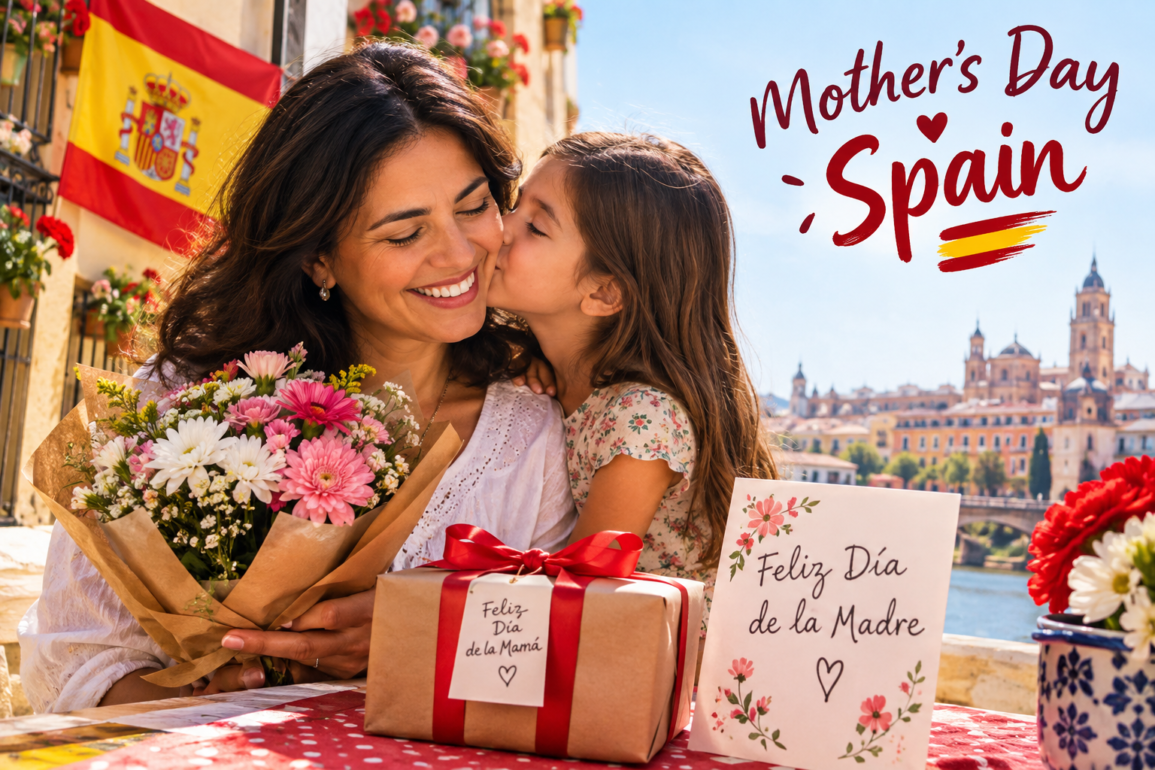
Children may prepare cards, drawings, flowers, or handmade gifts, particularly when they are young. Older children and adults often choose more personal presents or organize a family meal. A simple conversation, visit, or phone call can also become an important part of the day.
The meaning of Mothers Day Spain therefore comes from recognition and affection rather than the price of a gift. A thoughtful gesture can communicate gratitude just as effectively as an expensive present.
How Families Celebrate Mother’s Day in Spain
Traditional and modern customs often come together during Mothers Day Spain. Many families begin the day by giving mothers a small gift or greeting them warmly. Breakfast at home, flowers, chocolates, and handwritten messages are common ways to create a celebratory atmosphere.
A family lunch can become one of the central events of the day. Spanish families may gather around a table and enjoy a relaxed meal that gives everyone an opportunity to spend time together. Some families choose to cook at home, while others prefer to visit a restaurant.
Another popular approach to Mothers Day Spain is spending time outdoors. Depending on the weather and location, families may walk through a park, visit a historic area, enjoy a café, or take a short day trip. These activities show that the occasion does not have to involve complicated planning.
Gifts Commonly Associated With Mother’s Day
Gift-giving plays an important role in Mothers Day Spain, although preferences naturally differ from one family to another. Flowers remain a classic choice because they are simple, attractive, and easy to personalize. Roses, lilies, and other seasonal flowers can make thoughtful gifts.
Perfume, skincare products, jewelry, books, clothing, and accessories are also popular options. Many people prefer gifts connected to their mother’s interests rather than choosing something simply because it is traditionally associated with Mother’s Day.
Personalized presents have become increasingly attractive as well. A framed photograph, customized accessory, family album, or handmade card can give a gift greater emotional meaning.
For children, Mothers Day Spain can be an opportunity to create something themselves. A handmade card or small craft may have little financial value but can carry significant sentimental importance.
Mother’s Day at Schools and With Children
Schools can play a memorable role in Mothers Day Spain, particularly for younger children. Teachers may encourage students to create drawings, cards, crafts, or short messages for their mothers.
These classroom activities help children understand the importance of expressing gratitude. They also make the celebration more personal because the child contributes directly to the gift.
Parents and teachers can use Mothers Day Spain as an opportunity to discuss family relationships, kindness, appreciation, and respect. Activities can be adapted to recognize different family structures while maintaining the central idea of showing appreciation to caring maternal figures.
Food and Family Gatherings
Food is an important part of many Spanish celebrations, and Mothers Day Spain is no exception. Families may prepare a special lunch or dinner featuring favorite dishes and desserts.
Some families choose familiar homemade recipes because cooking together creates another opportunity to spend time as a family. Others may reserve a table at a restaurant and allow the mother to enjoy a meal without having to prepare it herself.
Desserts can also make the occasion feel special. Cakes, pastries, chocolate, and other sweet treats are easy ways to finish a family meal.
The food itself, however, is not necessarily the most important element. During Mothers Day Spain, the shared experience of sitting together, talking, laughing, and remembering family moments often creates the strongest memories.
Mother’s Day in Different Parts of Spain
Although Mothers Day Spain follows the same general national date, celebrations can vary according to family traditions and local culture. Spain has diverse regions with distinctive customs, cuisines, languages, and cultural identities.
A family in Madrid may celebrate differently from a family in Barcelona, Valencia, Seville, Bilbao, or a smaller town. Some families may prefer a quiet gathering at home, while others may organize a larger family outing.
Regional food can also influence the celebration. Families may choose local specialties or visit a favorite restaurant that reflects the culinary traditions of their area.
These differences make Mothers Day Spain a flexible celebration rather than a single event with one fixed format.
How Visitors Can Experience the Occasion
Travelers interested in Mothers Day Spain can experience the celebration by observing local family life and visiting public spaces during the weekend. Flower shops, cafés, bakeries, and restaurants may have seasonal displays or special menus.
Visitors should remember that Mother’s Day is primarily a family occasion. Respecting local customs and avoiding intrusive photography can help travelers enjoy the cultural experience appropriately.
Buying flowers or a small gift for a host mother can also be a thoughtful gesture when visiting a Spanish family during Mothers Day Spain.
Simple Ways to Make the Day Special
A memorable celebration does not require a large budget. A homemade breakfast, handwritten message, family photograph, or carefully prepared meal can make Mothers Day Spain meaningful.
Technology can also help families who live far apart. Video calls, digital photographs, and personalized messages allow people to participate even when they cannot travel.
For someone planning Mothers Day Spain activities, the most useful approach is to focus on the mother’s personality and interests. Someone who enjoys cooking may appreciate a family meal, while someone who loves nature may prefer a peaceful outdoor outing.
The key is personalization. A gift or activity becomes more meaningful when it shows that someone has paid attention to what the mother actually enjoys.
Why Mother’s Day Continues to Matter
Modern lifestyles can make it difficult for families to spend enough quality time together. Mothers Day Spain creates a specific opportunity to pause and recognize the contributions of mothers and maternal figures.
The celebration also provides a reminder that appreciation does not have to be limited to one day. A thoughtful message, helping with household responsibilities, or spending time together can express gratitude throughout the year.
As traditions change, Mothers Day Spain continues to combine older family values with modern ways of celebrating. Social media, online shopping, digital communication, and personalized gifts have changed how people prepare for the occasion, but the emotional purpose remains familiar.
Conclusion
Mothers Day Spain is a warm celebration centered on family, appreciation, and meaningful time together. Observed on the first Sunday of May, the occasion gives families an opportunity to honor mothers through flowers, gifts, meals, personal messages, and shared experiences. Its traditions may differ between households and regions, but the central idea remains consistent: showing genuine gratitude to the people who provide care, support, and love.
Whether celebrated through a simple homemade meal or a larger family gathering, Mothers Day Spain demonstrates that meaningful celebrations do not depend entirely on expensive presents or elaborate plans. The most valuable part of the day is the attention and appreciation given to the mother. For families and visitors alike, understanding this tradition offers a useful glimpse into Spanish family culture and the importance of celebrating meaningful relationships.