




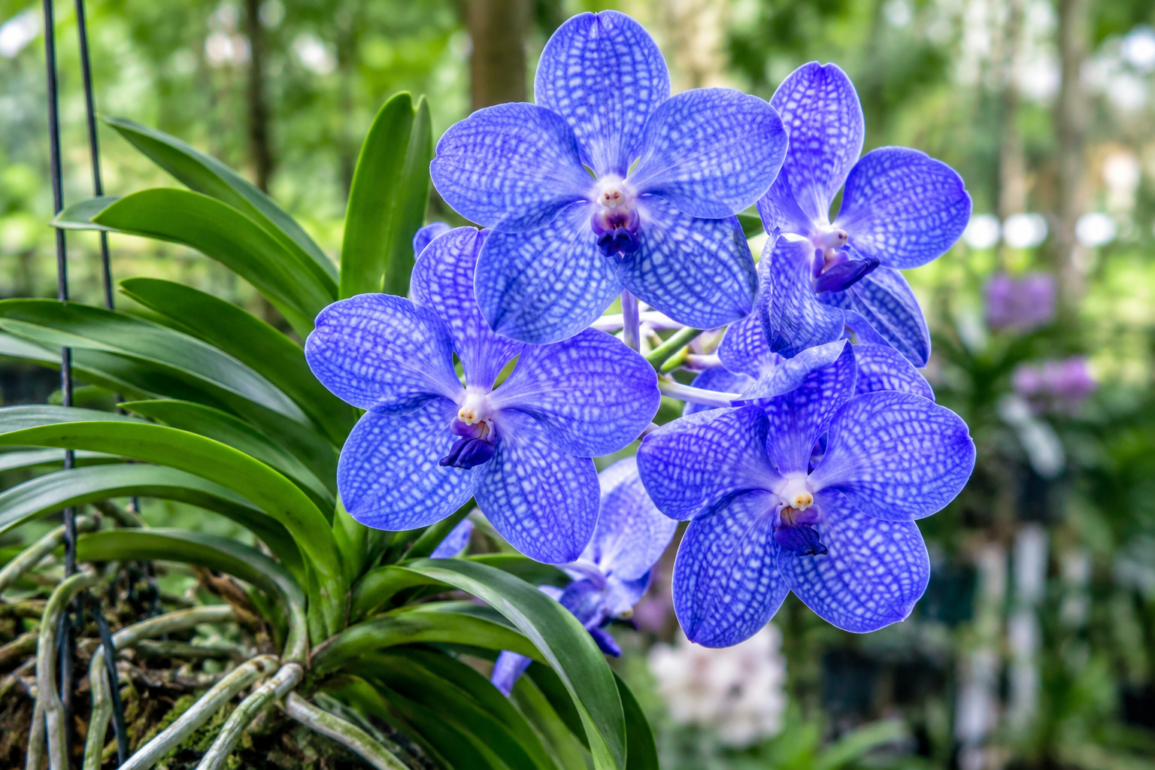
The orchid vanda coerulea is one of the most admired orchids in the world because of its unusual blue flowers and elegant growth habit. Unlike many orchids that display white, pink, yellow, or purple blooms, this species produces flowers with striking blue to blue-violet shades. Its natural beauty has made it especially valuable among orchid collectors, botanical enthusiasts, and gardeners who appreciate rare flowering plants.
Known commonly as the blue Vanda orchid, this species comes from parts of Southeast Asia. It naturally grows in warm, humid environments and often attaches itself to trees rather than growing directly in soil. Understanding its natural habitat can help gardeners provide the right conditions at home. With proper light, humidity, airflow, watering, and feeding, the orchid vanda coerulea can become a spectacular addition to an indoor or tropical plant collection.
What Is Orchid Vanda Coerulea?
The orchid vanda coerulea is a species of flowering orchid belonging to the genus Vanda. The word “coerulea” refers to its blue coloration, which is the plant’s most distinctive feature. The flowers can range from pale blue to deeper violet-blue, often with attractive darker markings across the petals.
This orchid is considered an epiphytic plant. That means it can grow on trees in its natural environment without taking nutrients directly from the host tree. Its roots absorb moisture and nutrients from rain, humidity, and organic material around the plant.
The orchid vanda coerulea is particularly interesting because its flowers can remain attractive for an extended period when the plant receives suitable care. Its combination of unusual color, large flowers, and strong growth makes it a favorite among experienced orchid growers.
Natural Habitat and Distribution
The natural environment of the orchid vanda coerulea provides important clues about its care requirements. This orchid is associated with regions of Southeast Asia where temperatures are generally warm and humidity can be relatively high.
In nature, the plant may grow on trees or in areas where its roots receive excellent air circulation. It does not typically sit in heavy, waterlogged soil. Instead, exposed roots allow the plant to absorb moisture while drying relatively quickly afterward.
Why Its Natural Habitat Matters
Gardeners sometimes struggle with this species because they treat it like a conventional potted plant. However, the orchid vanda coerulea has different requirements from many common houseplants. Its roots need air, moisture, and room to breathe.
Recreating these natural conditions indoors can significantly improve plant health. Good ventilation, bright light, appropriate humidity, and careful watering are among the most important factors.
Appearance and Flower Characteristics
The flowers are the main attraction of the orchid vanda coerulea. Its blooms typically have a rounded shape and a distinctive blue coloration. Darker blue or violet markings may appear across the petals and sepals, creating an attractive patterned appearance.
The flowers can be relatively large compared with those of many other orchid species. When several blooms open together, they can create an impressive floral display.
The leaves are also distinctive. They are usually long, narrow, and arranged along the stem. Healthy leaves should have a firm appearance and a vibrant green color. The plant also produces aerial roots that help it absorb water and nutrients.
Light Requirements
Light plays a major role in the health of the orchid vanda coerulea. This species generally prefers bright light, but extremely intense direct sunlight can damage its leaves, especially during the hottest part of the day.
A location with strong filtered light can work well. An east-facing window may provide suitable morning sunlight, while a bright area with protection from harsh afternoon rays can also be effective.
Signs of Incorrect Lighting
Too little light may result in weak growth and limited flowering. On the other hand, excessive direct sunlight can cause leaf damage or produce pale, scorched patches.
Observe the plant regularly and adjust its position when necessary. A balanced light level encourages healthy roots, leaves, and flowers.
Temperature and Humidity
Warm conditions generally suit the orchid vanda coerulea. It performs best when temperatures remain comfortably warm during the growing season, although it can tolerate some variation.
Humidity is equally important because this orchid naturally develops in environments where moisture is present in the air. Indoor growers can increase humidity by using a humidifier, grouping plants together, or placing the orchid in a naturally humid area.
However, high humidity should always be combined with good airflow. Stagnant, humid air can create conditions that encourage fungal and bacterial problems.
Watering Orchid Vanda Coerulea
Watering requires careful attention because the roots of the orchid vanda coerulea should not remain constantly wet. The goal is to provide sufficient moisture while allowing the roots to receive plenty of air.
Plants grown in baskets or mounted without traditional potting media may require more frequent watering than orchids grown in containers. Environmental conditions also matter. Hot, dry weather can increase the plant’s water requirements.
Best Watering Approach
Water thoroughly and allow excess water to drain away. Avoid allowing the plant to sit in standing water. Before watering again, consider the moisture level, temperature, humidity, and condition of the roots.
Healthy roots often appear firm and active. If roots remain continuously wet, they may become damaged over time.
Potting and Growing Media
Traditional heavy potting soil is generally unsuitable for the orchid vanda coerulea. Its aerial roots require excellent ventilation and drainage.
Many growers use open baskets, orchid pots, bark-based materials, or other airy growing arrangements. Some specimens can also be mounted on suitable surfaces where their roots remain exposed.
The best growing setup depends on the local environment and watering routine. A grower living in a dry indoor environment may use a slightly more moisture-retentive setup than someone growing the orchid in a humid greenhouse.
Feeding and Fertilization
Regular feeding can support healthy growth and flowering. The orchid vanda coerulea benefits from balanced orchid fertilizer when applied correctly.
Fertilizer should be diluted according to the product instructions. Applying excessively concentrated fertilizer can damage roots and leaves. During periods of active growth, consistent but moderate feeding can help provide nutrients needed for new leaves, roots, and flower development.
It is also useful to periodically flush the growing system with clean water. This can help reduce the accumulation of fertilizer salts around the roots.
How to Encourage Flowering
Flowering is one of the biggest rewards of growing the orchid vanda coerulea. However, a healthy plant does not always bloom immediately. Light, temperature, nutrition, plant maturity, and overall growing conditions can influence flowering.
Providing sufficient bright light is particularly important. A plant receiving inadequate light may continue producing leaves and roots without developing many flowers.
Consistent care is usually more effective than making sudden environmental changes. Keep the plant healthy throughout its growing cycle and provide appropriate conditions for seasonal growth.
Common Problems and Their Solutions
The orchid vanda coerulea can experience several common problems when growing conditions are unsuitable. Yellowing leaves may result from different causes, including excessive watering, poor roots, aging foliage, or environmental stress.
Root problems are another concern. Roots that remain wet for too long may deteriorate. Improving drainage and airflow can help prevent this issue.
Pests such as scale insects, mealybugs, and mites can occasionally affect orchids. Regularly inspecting the leaves, stems, and roots makes it easier to identify problems early.
Preventing Plant Stress
Prevention is usually easier than recovery. Maintain suitable light, avoid extreme watering practices, provide good air movement, and inspect the plant regularly.
A healthy orchid vanda coerulea should have active roots, firm foliage, and steady growth. Changes in appearance can provide early clues that the growing environment needs adjustment.
Propagation of Orchid Vanda Coerulea
Propagation is generally more challenging than basic orchid maintenance. Mature plants may produce side growths or new shoots that can potentially be separated when sufficiently developed.
Seed propagation is considerably more complicated because orchid seeds are extremely small and normally require specialized conditions to germinate successfully. Commercial growers often use laboratory techniques for large-scale propagation.
For home gardeners, obtaining a healthy established plant is usually much simpler than attempting propagation from seed.
Why Orchid Vanda Coerulea Is So Popular
The orchid vanda coerulea stands out because naturally blue orchids are relatively uncommon. Its flower color gives it an appearance that differs from many other cultivated orchids.
Collectors also appreciate its unusual history, distinctive growth pattern, and attractive flowers. When grown successfully, it can become a centerpiece plant that attracts attention even when it is not flowering.
Its popularity has also encouraged breeding programs that use blue Vanda species to develop orchids with desirable colors and characteristics.
Tips for Growing It Successfully
If you want to grow the orchid vanda coerulea, focus on consistency rather than complicated techniques. Give the plant bright filtered light, warm temperatures, good humidity, and strong airflow.
Water according to the growing environment instead of following a rigid calendar. Make sure the roots can drain quickly and receive adequate air. Feed the plant moderately and monitor it for pests or signs of stress.
Most importantly, learn to observe the plant. Changes in root color, leaf condition, and growth rate can tell you whether the current conditions are working.
Frequently Asked Questions
Is Orchid Vanda Coerulea a real blue orchid?
Yes. The orchid vanda coerulea is famous for producing naturally blue to blue-violet flowers. The exact shade can vary depending on the individual plant and growing conditions.
Does Orchid Vanda Coerulea need direct sunlight?
It needs bright light, but harsh direct sunlight can cause damage. Filtered or carefully managed sunlight is generally a safer option, particularly during intense afternoon heat.
Can Orchid Vanda Coerulea grow indoors?
Yes, the orchid vanda coerulea can be grown indoors when adequate light, humidity, warmth, ventilation, and watering are provided.
How often should I water it?
There is no single schedule that works for every plant. Watering frequency depends on temperature, humidity, airflow, and the growing setup. The roots should receive moisture without staying continuously saturated.
Why is my Orchid Vanda Coerulea not flowering?
Insufficient light is one possible reason, but plant maturity, nutrition, temperature, and general health can also affect flowering. Review the complete growing environment before making major changes.
Conclusion
The orchid vanda coerulea is a remarkable plant that combines unusual flower color with an elegant tropical appearance. Its blue blooms make it highly desirable, while its epiphytic growth habit makes it especially interesting for dedicated orchid growers. Although it may require more attention than an ordinary houseplant, its care becomes easier when you understand its natural environment.
Bright filtered light, good airflow, appropriate humidity, careful watering, and balanced nutrition form the foundation of successful cultivation. By observing the plant closely and responding to its needs, growers can encourage strong growth and impressive flowering. For anyone interested in unusual and beautiful orchids, the orchid vanda coerulea remains a fascinating species worth growing and learning about.