




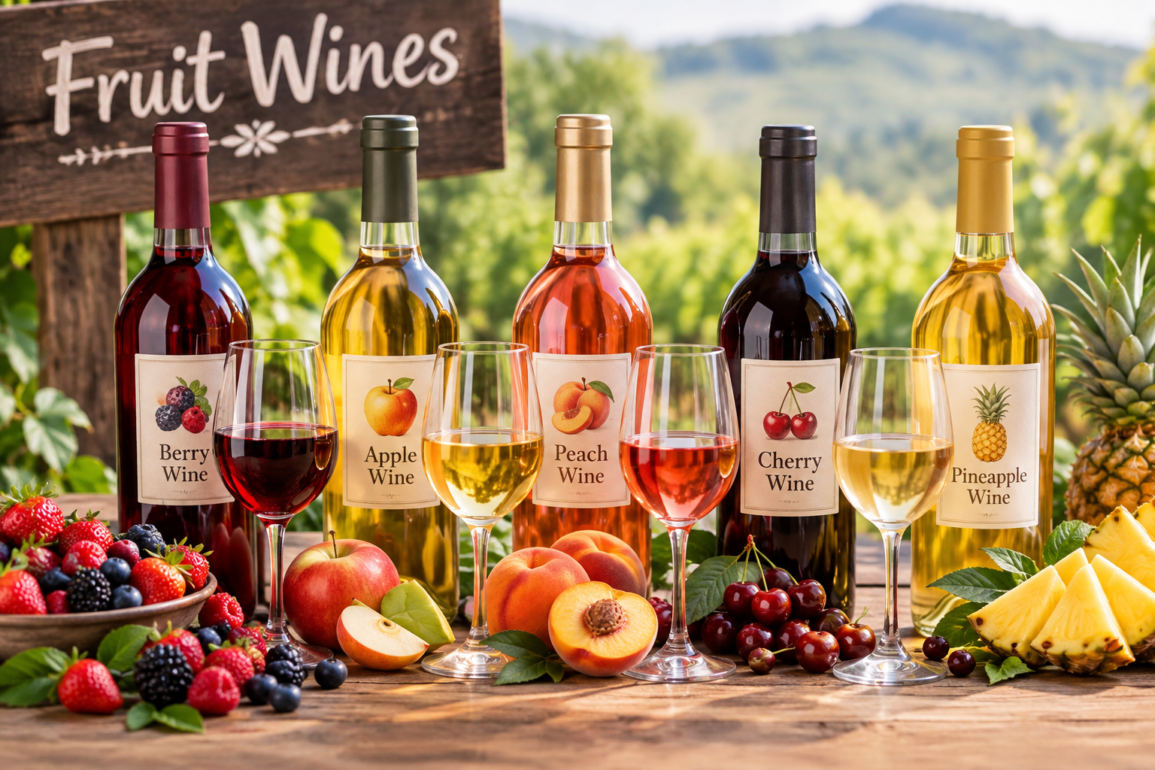
Fruit wines offer an interesting alternative to traditional wines made from grapes. While grapes remain the most familiar fruit used in winemaking, many other fruits can produce distinctive beverages with their own aromas, colors, sweetness, and acidity. From bright berry-based varieties to tropical and orchard-inspired creations, fruit wines allow winemakers to experiment with flavors that feel familiar yet surprisingly different.
The growing interest in fruit wines comes from their versatility. They can be crafted from fresh seasonal produce, locally grown fruits, or combinations that create unusual flavor profiles. Some are sweet and refreshing, while others are dry, tart, or complex. Understanding how these beverages are produced and what influences their flavor can help beginners appreciate the variety available in this category.
What Are Fruit Wines?
Fruit wines are fermented alcoholic beverages made primarily from fruits other than traditional wine grapes. Winemakers extract juice or other suitable components from fruits and allow naturally occurring or added yeast to convert sugars into alcohol. Depending on the fruit and production method, the final drink can range from light and refreshing to rich and intensely flavored.
Unlike grape wine, fruit-based versions often require adjustments during production. Many fruits contain different levels of sugar, acidity, tannins, and nutrients. A skilled winemaker must balance these characteristics to create a pleasant finished beverage. The fruit itself usually plays a major role in determining the aroma and character.
How Are Fruit Wines Made?
Selecting and Preparing the Fruit
The process begins with carefully selected, ripe fruit. Quality matters because damaged, moldy, or overripe produce can negatively affect the final result. Winemakers generally wash and prepare the fruit before crushing, pressing, or processing it to release juice.
Different fruits require different preparation techniques. Soft berries may be crushed easily, while apples, pears, and other firm fruits often require pressing. Some fruits may also need treatment to reduce unwanted compounds or improve juice extraction.
Fermentation
Fermentation is the stage where yeast converts fermentable sugars into alcohol and carbon dioxide. The winemaker controls factors such as temperature, yeast selection, sugar concentration, and fermentation time.
During this stage, the natural characteristics of the fruit begin to transform. The resulting beverage develops additional aromas and flavors as fermentation progresses. Careful monitoring helps prevent undesirable flavors and ensures that the fermentation proceeds properly.
Aging and Clarification
After fermentation, the beverage may be transferred to another container for clarification and aging. Sediment gradually settles, allowing the clearer liquid to be separated from the unwanted solids.
Some fruit wines are bottled relatively young to preserve fresh fruit character. Others benefit from additional aging, which can soften sharp acidity and allow different flavors to integrate. The ideal aging period depends heavily on the fruit and the intended style.
Popular Fruits Used in Winemaking
Berry-Based Varieties
Berries are among the most popular choices for fruit wines because they naturally provide strong colors, aromas, and recognizable flavors. Strawberries, raspberries, blackberries, blueberries, and cherries can each create a different sensory experience.
Berry-based fruit wines often combine noticeable fruit aromas with varying levels of sweetness and acidity. Dark berries can produce deeper colors and richer flavors, while lighter berries may create delicate and aromatic beverages.
Apples and Pears
Apples and pears are also commonly used because they contain useful amounts of fermentable sugar and have naturally appealing aromas. Apple-based varieties can range from crisp and dry to sweet and aromatic.
Pear-based versions may have a softer and more delicate character. Their relatively subtle flavor can make them suitable for people who prefer lighter beverages rather than intensely flavored options.
Tropical Fruits
Pineapple, mango, passion fruit, and other tropical fruits can produce highly aromatic styles. Their naturally distinctive flavors make them particularly interesting for experimental winemaking.
Tropical fruit wines often have bright acidity and noticeable aromas. Because some tropical fruits contain strong natural flavors, winemakers need to maintain balance so that the finished beverage does not become overly sharp or sweet.
What Makes Fruit Wines Different From Grape Wine?
The biggest difference is the raw material. Traditional wine grapes have a natural balance of sugar, acidity, water, and other components that make them particularly suitable for fermentation. Many other fruits do not have the same balance.
For that reason, fruit wines may require adjustments to sugar, acidity, nutrients, or other elements during production. These changes help create a stable and enjoyable beverage.
Another major difference is flavor intensity. Grape wines often develop flavors influenced by the grape variety, fermentation, aging, and winemaking environment. Fruit-based versions can retain a more recognizable connection to their original fruit, although fermentation creates additional flavors as well.
Sweetness and Acidity in Fruit Wines
Balance is one of the most important aspects of fruit wines. A beverage that contains too much residual sugar can taste heavy, while excessive acidity may make it seem harsh or sour.
Winemakers aim to create harmony between sweetness, acidity, alcohol, aroma, and body. The natural composition of the selected fruit strongly influences this balance.
For example, berries may provide strong acidity and aromatic compounds, while some ripe tropical fruits contribute significant sweetness and bold aromas. Apples can provide a crisp character, whereas pears may create a softer impression.
The final sweetness level also depends on fermentation. If yeast consumes most of the available sugar, the finished product may taste relatively dry. If some sugar remains, it can create a sweeter style.
How to Serve Fruit Wines
Serving temperature can influence how fruit wines taste and smell. Lighter and sweeter varieties are commonly enjoyed chilled because lower temperatures can make them feel more refreshing.
More complex styles may benefit from being served slightly less cold. Excessive chilling can reduce the intensity of aromas, making it harder to appreciate the beverage’s character.
Glassware can also influence the experience. A suitable wine glass allows aromas to collect above the liquid, helping the drinker notice fruit, floral, and fermentation-related notes.
Food Pairings
One advantage of fruit wines is their flexibility with food. Berry-based styles can complement desserts, soft cheeses, or dishes containing contrasting savory flavors.
Apple and pear varieties can work well with roasted poultry, mild cheeses, salads, and lightly seasoned dishes. More acidic tropical versions may complement spicy or strongly seasoned foods because their bright character can provide a refreshing contrast.
When choosing a pairing, consider the sweetness and acidity of both the beverage and the food. A very sweet drink may overwhelm a delicate dish, while a crisp, acidic style can provide useful balance.
Benefits of Exploring Different Fruit Wines
Exploring fruit wines can introduce drinkers to flavors that traditional wine categories may not offer. They also provide an opportunity to discover regional ingredients and seasonal produce.
For producers, fruit-based winemaking encourages creativity. A local harvest can become the foundation for a beverage that reflects the agricultural character of an area. Small producers may experiment with unusual combinations, creating distinctive products that are difficult to find elsewhere.
Another attraction is variety. Two beverages made from different fruits can have dramatically different aromas, colors, acidity, and sweetness. This makes the category broad enough to appeal to people with very different preferences.
Choosing the Right Fruit Wine
Beginners should consider their existing taste preferences when selecting fruit wines. People who enjoy sweet beverages may prefer strawberry, cherry, or some tropical varieties. Those who prefer sharper flavors might enjoy berry or apple-based options with noticeable acidity.
It is also useful to consider whether you want something light and refreshing or something richer and more aromatic. Reading the producer’s description can provide clues about sweetness, acidity, serving suggestions, and dominant flavors.
Trying small amounts of different styles can help you identify which fruits and flavor profiles you enjoy most. There is no single definition of the perfect fruit-based wine because personal preference plays an important role.
Responsible Enjoyment and Storage
Like other alcoholic beverages, fruit wines should be enjoyed responsibly and according to local laws. Proper storage also matters. Bottles should generally be protected from excessive heat, strong light, and major temperature changes.
Once opened, storage requirements depend on the specific product. Refrigeration may help preserve freshness for some styles, although the ideal approach can vary according to the producer’s recommendations.
The Future of Fruit-Based Winemaking
Interest in alternative winemaking continues to encourage experimentation. As consumers become more interested in unusual flavors, local ingredients, and small-scale production, fruit wines have opportunities to reach broader audiences.
Modern winemakers can combine traditional fermentation techniques with new approaches to extraction, blending, aging, and presentation. This experimentation may lead to new combinations and styles that expand the category even further.
Local fruit can also give producers a distinctive identity. Instead of relying exclusively on globally familiar ingredients, wineries can highlight regional berries, orchard fruits, and other agricultural products.
Conclusion
Fruit wines demonstrate how diverse fermentation can be when winemakers move beyond traditional grapes. Their character depends on the fruit, fermentation process, sweetness, acidity, aging, and production choices. From berries and apples to pears and tropical fruits, each ingredient brings its own possibilities.
For consumers, exploring fruit wines can be an enjoyable way to discover new aromas and flavors while learning more about winemaking. For producers, they offer room for creativity and opportunities to showcase local ingredients. As interest in distinctive beverages continues to grow, fruit wines are likely to remain an appealing and evolving part of the wider wine landscape.