



Fabric plays an important role in clothing, interior decoration, furniture, and many creative projects. It has been used for generations in curtains, upholstery, dresses, cushions, bags, and other household products. Although modern fabrics have become widely available, this textile remains popular among people who appreciate strong woven materials with decorative designs.
Understanding the history, characteristics, production methods, and practical uses of cretonne can help you choose the right material for a project. Its appearance may resemble other printed cotton fabrics, but its construction and traditional uses give it a distinct identity. This guide explains what the fabric is, where it comes from, how it is made, and why it continues to attract designers and homeowners.
What Is Cretonne?
Cretonne is a strong woven fabric traditionally made from cotton. Some modern versions may contain blends of cotton and synthetic fibers. The material is generally heavier and more durable than ordinary lightweight cotton fabrics.
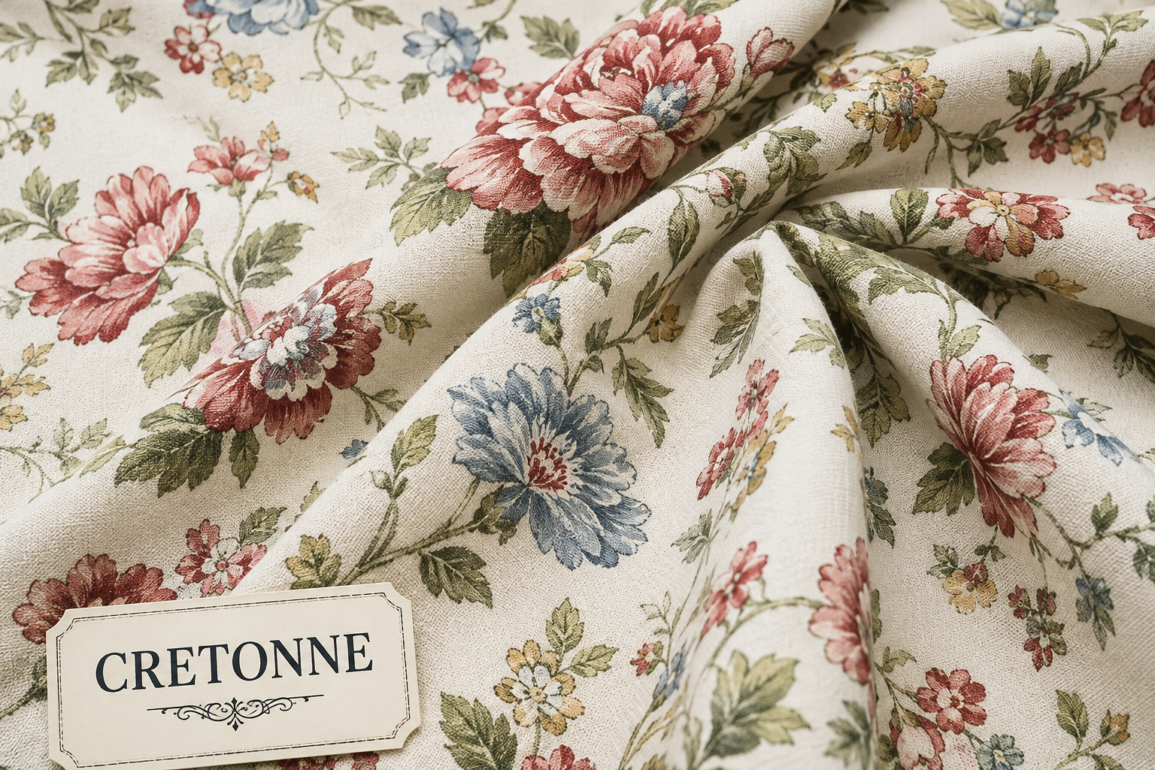
Manufacturers can produce cretonne in plain colors or with detailed printed patterns. Floral designs, geometric shapes, botanical illustrations, and traditional motifs are especially common. Its firm structure makes it useful for applications that require more body than thin cotton provides.
The fabric is usually woven rather than knitted. This construction gives it a stable surface and helps it maintain its shape during regular use. Depending on its weight and finish, it can be suitable for both decorative and practical purposes.
The History of Cretonne
The history of cretonne is connected with European textile traditions. The name is commonly associated with the French textile industry, where sturdy woven fabrics became increasingly important for household and clothing applications.
Over time, the material became recognized for its combination of strength and decorative appeal. Textile producers developed different patterns and finishes to meet changing consumer preferences. As printing technologies improved, manufacturers could create increasingly detailed designs.
During the nineteenth and twentieth centuries, cretonne became particularly associated with household decoration. It appeared in curtains, upholstery, cushions, and other interior products. Its durability made it practical, while its printed designs helped bring color and character into homes.
Today, designers continue to use the fabric because traditional textile styles remain influential in interior design and craft work.
How Is Cretonne Made?
The production process begins with suitable textile fibers, traditionally cotton. Manufacturers prepare the fibers before spinning them into yarn. The yarn is then woven together to create a stable fabric structure.
Weaving the Fabric
The weaving stage determines much of the fabric’s strength and appearance. Threads run horizontally and vertically through the material, creating a structured surface. Different weaving techniques can influence thickness, texture, and durability.
These can include washing, drying, pressing, and surface treatments designed to improve its appearance or performance.
Printing and Finishing
One of the most recognizable features of cretonne is its decorative surface. Manufacturers can apply printed patterns using modern textile printing techniques. Floral and nature-inspired designs are particularly common.
The final finish depends on the intended application. Fabric designed for curtains may have different characteristics from material intended for clothing or upholstery.
Key Characteristics of Cretonne
Several qualities make cretonne different from lighter cotton fabrics. Its most important characteristics include strength, structure, pattern variety, and versatility.
The fabric generally has a firm hand, meaning it feels more substantial when handled. This quality makes it useful for products that need some structure. It also tends to resist everyday wear better than many delicate decorative fabrics.
Another advantage is its visual flexibility. Cretonne can feature subtle patterns for traditional interiors or bold prints for more expressive designs.
Its cotton-based versions can also provide a comfortable and relatively breathable textile option when used for appropriate clothing applications.
Common Uses of Cretonne
The versatility of cretonne allows it to appear in many areas of everyday life. Interior decoration remains one of its most important applications.
Curtains and Window Treatments
The fabric is frequently used for curtains because its weight allows it to hang neatly. Printed designs can also complement furniture, walls, rugs, and other decorative elements.
People looking for a traditional or country-style interior may choose floral cretonne curtains to create a warm atmosphere.
Upholstery
Furniture upholstery is another important application. Strong woven fabric can withstand regular handling when the correct grade is selected.
Chairs, stools, cushions, and decorative furniture pieces can benefit from its structured appearance. However, buyers should always check the manufacturer’s durability specifications before using a particular fabric for heavy-use furniture.
Cushions and Home Accessories
Cushion covers, table accessories, storage bags, and decorative panels can also be made from cretonne. Small projects are particularly suitable because the material combines attractive patterns with easy handling.
Clothing
Historically, cretonne has also been used for clothing. Its heavier structure makes it more suitable for garments that require body and durability than extremely lightweight summer fabrics.
Depending on its weight and fiber composition, it can be used for skirts, dresses, jackets, aprons, and other garments.
Cretonne vs. Other Cotton Fabrics
It is useful to compare cretonne with similar materials before purchasing it. Cotton fabrics vary significantly in weight, weave, texture, and intended purpose.
Lightweight cotton tends to feel softer and more flexible. Cretonne, by contrast, generally has a stronger and more structured feel. This makes it particularly useful for curtains, upholstery, and decorative projects.
Canvas is usually heavier and more rugged, making it suitable for demanding applications. Printed cotton materials can be lighter and softer, depending on their construction.
The best choice depends on the project. A decorative curtain may benefit from a medium-weight woven fabric, while a lightweight garment may require a softer textile.
Advantages of Cretonne
One of the biggest advantages of cretonne is its durability. Properly selected fabric can handle regular use without appearing overly delicate.
Its design variety is another major benefit. Consumers can find patterns ranging from traditional florals to contemporary geometric prints. This makes it easy to match the textile with different decorative styles.
The material also offers useful structure. Unlike very thin fabrics, it can hold its shape effectively in curtains, covers, and certain garments.
Cotton-based versions may provide a natural-fiber option for consumers who prefer traditional textiles. However, properties vary between manufacturers, so checking the fiber label remains important.
Potential Disadvantages
Despite its benefits, cretonne may not be appropriate for every project. Its heavier construction can make it less comfortable for garments that require extreme softness or drape.
Some printed versions may also require careful washing to preserve their colors. Exposure to harsh detergents, excessive heat, or strong sunlight can affect certain dyes and finishes.
The fabric can also wrinkle depending on its fiber composition and finishing treatment. Buyers should therefore consider maintenance requirements before selecting it for a specific purpose.
How to Choose the Right Cretonne
When buying cretonne, begin by identifying the intended use. Fabric for upholstery should have suitable strength and abrasion resistance. Curtain fabric should have an appropriate weight and drape.
Next, examine the fiber composition. Traditional cotton versions have different characteristics from polyester blends or other modern constructions.
Pattern selection also matters. Large prints can become a strong visual feature, while smaller patterns usually create a more subtle effect.
Finally, request a sample when possible. Feeling the fabric and examining its colors under natural light can help prevent an unsuitable purchase.
How to Care for Cretonne
Proper care can extend the life of cretonne products. Always follow the manufacturer’s care label because different finishes and fiber blends require different treatments.
For washable cotton versions, use an appropriate detergent and avoid unnecessarily harsh cleaning products. Excessive heat may cause shrinkage or affect printed designs.
For curtains and upholstery, regular vacuuming or gentle dust removal can reduce the buildup of dirt. Direct sunlight should also be considered because prolonged exposure can gradually fade some printed fabrics.
Professional cleaning may be appropriate for certain upholstered items.
Why Cretonne Remains Popular
The continued popularity of cretonne comes from its balance between practicality and decoration. Modern textile technology has introduced countless alternatives, but traditional woven fabrics still appeal to people who want distinctive patterns and substantial texture.
Interior designers often use patterned textiles to introduce personality into rooms. Homeowners can also use smaller pieces for cushions, bags, craft projects, and decorative accessories.
Its historical connection to traditional interiors gives cretonne an additional appeal. It can create a classic appearance while still working with modern furniture and contemporary color schemes.
Conclusion
Cretonne is a durable and versatile woven textile with a long history in clothing, home decoration, upholstery, and craft projects. Its structured construction, decorative patterns, and practical strength make it different from many lightweight cotton fabrics. While modern alternatives offer additional choices, this traditional material remains valuable for projects that require both visual appeal and substance.
Choosing the right cretonne depends on its weight, fiber content, pattern, durability, and intended application. With proper selection and care, it can provide an attractive and long-lasting solution for many creative and household needs. Whether used for curtains, cushions, furniture, clothing, or decorative projects, this distinctive textile continues to demonstrate why traditional fabrics can remain relevant in modern design.