



Human societies have gathered for millennia to honor the dead, comfort the grieving, and confront the reality of mortality. Understanding the true funeral meaning goes far beyond recognizing a simple ceremony or a legal requirement for disposing of human remains. At its core, a funeral represents a profound rite of passage that acknowledges the end of a physical life while affirming the enduring value of the relationships, memories, and legacies left behind. Across every continent and throughout every era of recorded history, communities have developed structured rituals to process loss, express collective sorrow, and transition the deceased from the realm of the living into the realm of memory.
When people explore the funeral meaning within their own cultural or personal contexts, they discover a multifaceted institution designed to serve both the dead and the living. For the deceased, the service offers a final gesture of dignity, respect, and remembrance. For the bereaved, the ceremony provides a structured environment where grief receives social validation and emotional support. Without these formalized gatherings, individuals often struggle to accept the finality of death, leaving the grieving process suspended in uncertainty. Therefore, grasping the deeper funeral meaning reveals how these ancient practices continue to anchor modern communities during their most vulnerable moments.
The Etymological Roots and Historical Evolution of Funerals
To fully appreciate the contemporary funeral meaning, one must first examine the linguistic origins of the word itself. The English term derives from the Latin word funus, which originally referred to a corpse, funeral rites, or death itself. Scholars trace funus back to earlier Indo-European roots associated with smoke or torches, reflecting the ancient Roman custom of conducting burial processions at night by the light of burning torches. Over centuries, as Latin evolved into Old French and eventually Middle English, the word funeraille emerged to describe the specific ceremonies surrounding burial, gradually solidifying into the modern noun we use today.
Archaeological evidence demonstrates that deliberate funerary practices predate written history by tens of thousands of years. Early human ancestors placed flowers, tools, and personal ornaments alongside their dead, indicating an emerging awareness of mortality and a desire to honor the departed. In ancient Egypt, elaborate mummification processes and monumental tombs reflected a belief that physical preservation ensured eternal survival in the afterlife. Similarly, ancient Greek and Roman civilizations placed immense civic and religious importance on proper burial rites, believing that an unburied soul would wander restlessly without peace.
As major world religions developed, they reshaped the funeral meaning to align with specific theological doctrines regarding the soul, judgment, and resurrection. Christian traditions emphasized the promise of eternal life and the resurrection of the body, transforming the funeral into a service of both mourning and spiritual hope. Islamic practices established strict guidelines for rapid burial, ritual washing, and simple shrouding to emphasize human equality before God. Meanwhile, Hindu and Buddhist traditions integrated cremation and philosophical reflections on reincarnation and impermanence into their ceremonies. Through each historical shift, the central purpose remained consistent: guiding the deceased onward while stabilizing the surviving community.
Psychological and Emotional Dimensions of the Funeral Meaning
Modern psychology strongly validates the emotional necessity of funerary rituals, illustrating why the funeral meaning remains vital even in increasingly secular societies. When a loved one dies, the human mind often experiences a profound sense of shock and disbelief, particularly when the loss occurs suddenly. Participating in a structured ceremony helps bridge the gap between intellectual knowledge of the death and emotional acceptance of that reality. Viewing the body, hearing eulogies, and witnessing the committal all serve as tangible confirmations that the person has truly passed away.
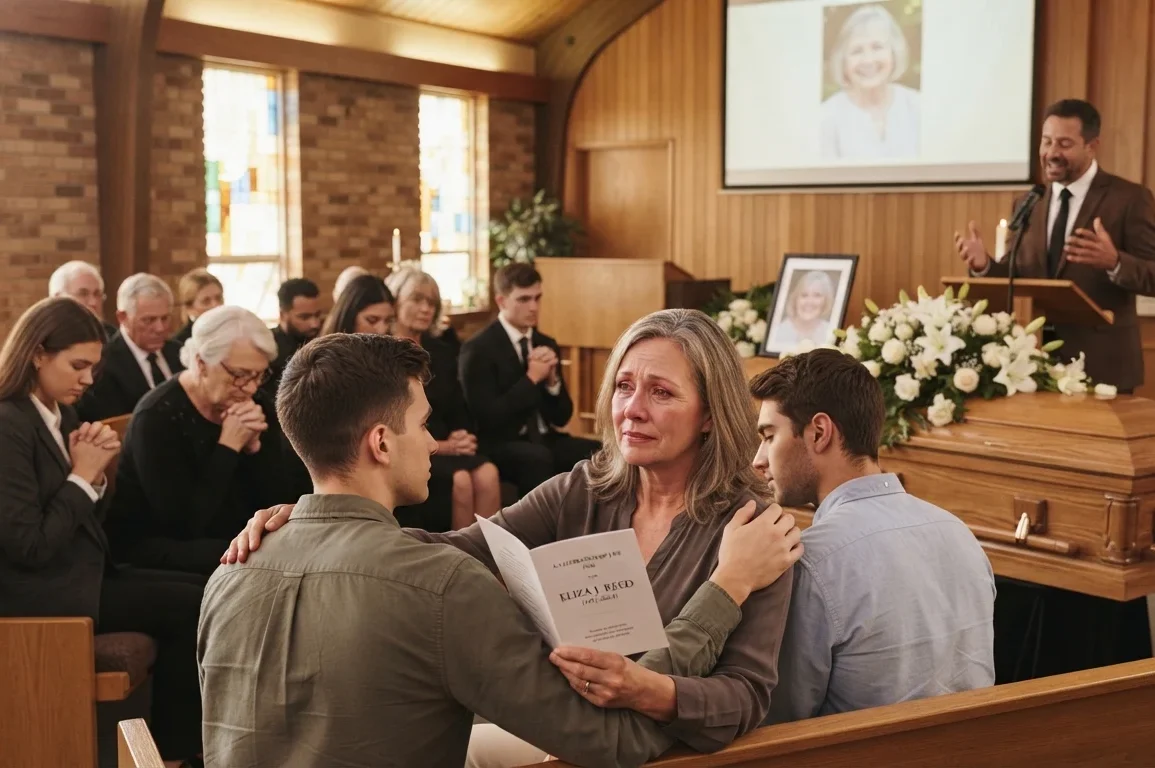
Furthermore, funerals create a designated space where intense emotions become socially acceptable and shared. In daily life, individuals frequently feel pressure to suppress sadness or maintain composure in professional and public settings. A funeral removes those barriers, granting permission to weep, reminisce, and express vulnerability openly. Psychologists note that this collective expression of grief reduces feelings of isolation, reminding mourners that they do not carry their burden alone. The shared sorrow of family, friends, and acquaintances weaves a temporary safety net around those most deeply affected by the loss.
The Role of Ritual in Processing Grief
Rituals provide predictability and order during a period characterized by emotional chaos. When grief overwhelms cognitive function, deciding how to act or what to say can feel impossible. Traditional funeral structures offer a clear script, guiding attendees through specific actions such as lighting candles, singing hymns, sharing stories, or placing earth upon a casket. These deliberate physical acts allow mourners to channel abstract feelings of helplessness into concrete gestures of love and farewell. Engaging in these traditions reinforces the funeral meaning as an active mechanism for emotional healing rather than a passive observation of loss.
Community Support and Shared Memory
Beyond individual psychological relief, the funeral meaning encompasses the reconstruction of social bonds fractured by death. Every person occupies a unique node within a network of family, workplace, and community relationships; when that person dies, the entire network experiences disruption. Gathering for a funeral allows members of those disparate circles to meet, exchange stories, and assemble a fuller picture of the deceased person’s life. Hearing how a parent mentored colleagues or how a friend supported neighbors brings comfort to grieving relatives, demonstrating that the deceased person’s influence continues to resonate across the community.
Cultural and Religious Variations in Funeral Traditions
While the underlying human need to mourn is universal, the outward expression of the funeral meaning varies dramatically across cultures and belief systems. Understanding these diverse traditions highlights how different societies interpret death, honor ancestry, and support the bereaved. Each tradition employs distinct symbols, colors, and practices to communicate respect and philosophical beliefs about existence.
- Western Christian Services: These ceremonies typically feature a viewing or visitation followed by a formal service in a church or funeral home, incorporating scripture readings, prayers, music, and a eulogy before proceeding to a cemetery for burial.
- Jewish Funerals: Rooted in the principle of honoring the body as a vessel of the soul, Jewish traditions prioritize prompt burial, simple wooden caskets, and a seven-day mourning period known as Shiva, during which community members visit the bereaved family’s home.
- Islamic Funeral Rites: Known as Janazah, these practices involve ritually washing and wrapping the body in clean white cloth, offering communal prayers without music or wailing, and burying the deceased facing Mecca as quickly as possible.
- Hindu Cremation Ceremonies: Guided by beliefs in karma and reincarnation, Hindu funerals focus on releasing the soul from its physical vessel through cremation, typically conducted within twenty-four hours of death, followed by days of prayer and purification rituals.
- Buddhist Memorials: Buddhist services emphasize mindfulness, peace, and the impermanence of life, often featuring chanting by monks, incense offerings, and calm reflection to help transfer positive merit to the departing consciousness.
- Traditional African Celebrations: Many African cultures view death as a transition to the realm of respected ancestors, blending solemn mourning with vibrant music, dancing, storytelling, and communal feasting to celebrate a life well lived.
Examining these customs reveals that no single template defines the funeral meaning globally. Instead, every culture crafts a framework that reflects its deepest values regarding family duty, spiritual destiny, and social solidarity.
Modern Shifts in Understanding Funeral Meaning
In recent decades, shifting demographics, environmental awareness, and changing religious attitudes have transformed how many people approach the funeral meaning. While traditional religious services remain standard for millions, a growing number of families now seek personalized alternatives that reflect the unique personality, hobbies, and values of the deceased. This evolution has given rise to the modern “celebration of life,” an event that often replaces somber liturgy with favorite music, photo montages, casual attire, and informal storytelling in non-traditional venues such as parks, community centers, or family homes.
Personalized Celebrations of Life
The rise of personalized services illustrates a subtle shift in the funeral meaning, moving away from standardized religious observance toward individualized biography. Families increasingly work with secular celebrants to design ceremonies that capture the authentic essence of their loved one. Rather than adhering to a rigid script, these gatherings might incorporate a toast with the deceased person’s favorite beverage, a display of their artwork, or speeches from friends recalling humorous anecdotes. Although the tone often feels lighter and more conversational than a traditional funeral, the core psychological functions of acknowledgment, remembrance, and community support remain entirely intact.
Eco-Friendly and Sustainable Practices
Environmental consciousness has also prompted many individuals to reconsider the physical aspects of the funeral meaning. Traditional burials often involve chemical embalming fluids, hardwood or metal caskets, and concrete burial vaults, raising concerns about land use and ecological impact. Consequently, green burials have gained substantial popularity. Green burial practices eliminate toxic chemicals, utilize biodegradable shrouds or wicker caskets, and place bodies directly into natural conservation grounds where native flora thrives above the gravesite. For environmentally minded individuals, choosing a sustainable farewell aligns their final physical act with their lifelong commitment to ecological stewardship, adding a powerful layer of purpose to the funeral meaning.
Practical Components of a Meaningful Service
Creating a resonant ceremony requires thoughtful planning that balances logistical realities with emotional authenticity. Whether organizing a traditional religious rite or a contemporary memorial, families can focus on several foundational elements to ensure the gathering captures the true funeral meaning.
- Selecting an Appropriate Setting: Choosing a venue that reflects the deceased person’s life—whether a cherished place of worship, a serene funeral chapel, or a meaningful outdoor space—sets the emotional tone for all attendees.
- Curating Spoken Tributes and Eulogies: Inviting close relatives and friends to share specific memories, character traits, and life lessons brings the deceased person’s story to life and offers profound comfort to listeners.
- Incorporating Meaningful Music and Readings: Selecting songs, poems, or sacred texts that held personal significance for the individual engages the senses and evokes shared emotional resonance among mourners.
- Providing Opportunities for Active Participation: Allowing guests to light a candle, write a memory card, place a flower on the casket, or share a brief reflection transforms passive spectators into active participants in the farewell.
- Facilitating Post-Service Fellowship: Hosting a reception or shared meal after the formal ceremony encourages informal conversation, laughter, and mutual support as attendees transition back toward daily life.
When planners integrate these components intentionally, the resulting ceremony transcends routine obligation and embodies the richest funeral meaning.
Conclusion
Ultimately, exploring the funeral meaning uncovers one of humanity’s most enduring and compassionate inventions. Across ancient civilizations, diverse religious traditions, and modern secular movements, funerals have consistently served as essential bridges between loss and healing. They compel busy communities to pause, acknowledge the irreplaceable worth of a human life, and stand alongside those who are hurting. While specific customs, venues, and aesthetics will continue to evolve alongside changing cultural values, the fundamental funeral meaning endures unchanged: it is an act of love, respect, and solidarity that honors the past while giving the living strength to face the future.