




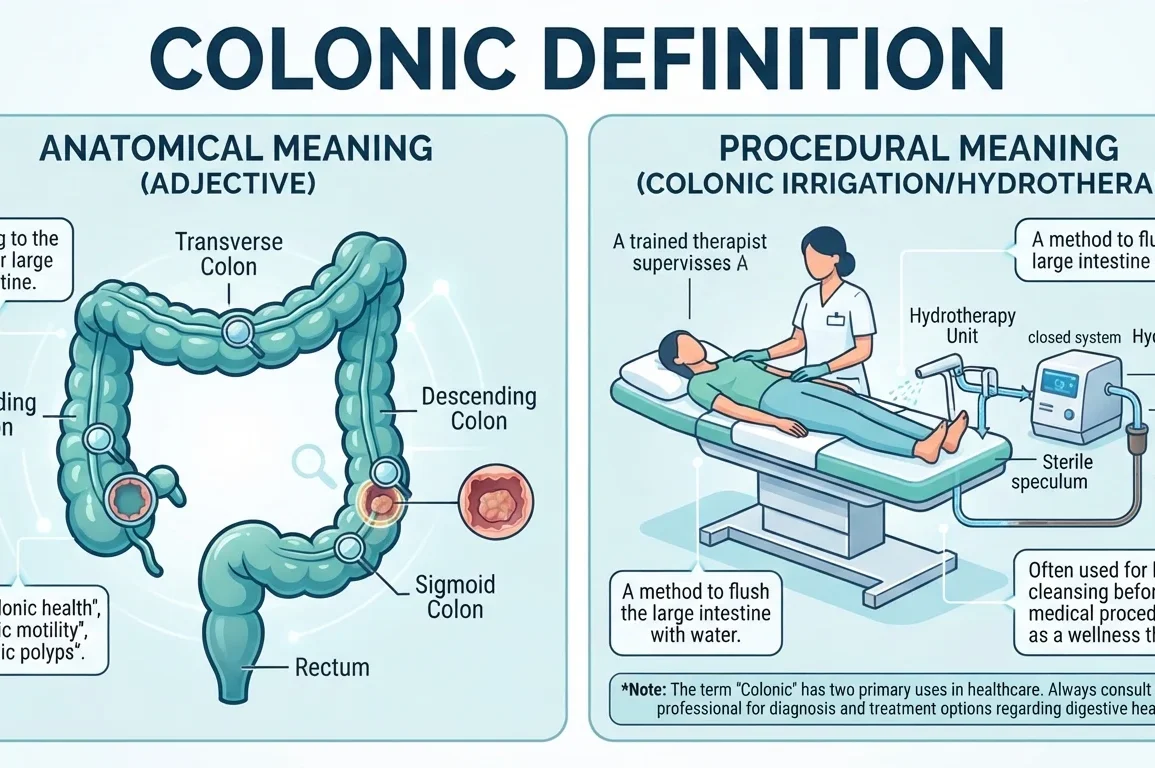
Understanding medical terminology often empowers patients to make better decisions about their digestive health. When people search for a clear colonic definition, they usually encounter two distinct but related meanings in modern healthcare and wellness. In strict clinical anatomy, the term acts as an adjective describing anything relating to the colon, which is the main section of the large intestine. Conversely, in complementary wellness and specialized gastroenterology settings, the word commonly refers to colonic hydrotherapy, a procedure designed to flush fluids through the lower digestive tract. Exploring the complete colonic definition requires examining both its anatomical foundation and its practical procedural applications so readers can distinguish verified medical science from alternative health claims.
Understanding the Core Colonic Definition in Anatomy
To grasp the primary colonic definition, one must first understand the structure and function of the human gastrointestinal tract. Medical professionals use the word “colonic” as a descriptive modifier for tissues, diseases, surgeries, and physiological processes occurring within the colon. The colon itself measures approximately five feet in length and frames the small intestine inside the abdominal cavity. Its primary biological role involves absorbing water, electrolytes, and remaining nutrients from indigestible food matter before forming solid waste for elimination.
Key Anatomical Sections of the Colon
Anatomists divide the colon into four distinct segments, and doctors frequently apply the colonic definition to specify localized conditions within these regions. The ascending colon travels upward on the right side of the abdomen, receiving liquid waste from the small intestine through the cecum. Next, the transverse colon crosses the upper abdomen from right to left, where significant water absorption takes place. The descending colon then moves downward along the left side, storing solidifying waste until it enters the S-shaped sigmoid colon, which connects directly to the rectum.
Common Medical Terms Using the Word Colonic
Healthcare providers routinely combine this root word with specific clinical terms to diagnose and treat patients accurately. A colonic definition in a medical chart might appear in phrases such as colonic polyps, which are small clumps of cells that form on the lining of the large intestine. Physicians also evaluate colonic motility, a term describing the coordinated muscular contractions that propel waste toward the rectum. Furthermore, conditions like colonic inertia refer to a severe slowing of these muscular movements, resulting in chronic constipation that requires targeted medical intervention.
The Procedural Colonic Definition: Colon Hydrotherapy
Outside of pure anatomy, the everyday colonic definition almost always points toward a procedure known as colon hydrotherapy or colonic irrigation. During this process, a practitioner introduces large amounts of filtered, temperature-regulated water into the rectum through a specialized tube. The goal of this infusion is to soften and flush out accumulated fecal matter, gas, and mucus from the large intestine. While alternative wellness clinics market this practice as a routine detoxification method, mainstream gastroenterologists view it primarily as a specialized bowel-cleansing technique.
How a Colonic Irrigation Session Works
A typical session following the procedural colonic definition lasts between thirty and forty-five minutes inside a clinical or spa facility. The client lies comfortably on a treatment table while a trained hydrotherapist inserts a small, disposable speculum into the rectum. This device connects to a machine that gently regulates water pressure and temperature, allowing warm water to flow slowly into the colon. Once the client feels a sense of fullness, the practitioner switches the system to release mode, draining the water and loosened waste through a closed viewing tube without odor or mess.
Medical Bowel Preparation Versus Elective Wellness Cleanses
Distinguishing between hospital-grade preparation and elective spa treatments clarifies the clinical boundaries of the colonic definition. Before diagnostic procedures such as a colonoscopy or lower gastrointestinal surgery, doctors require patients to empty their bowels completely so cameras can capture clear images of the intestinal lining. While oral laxative solutions remain the standard approach, some specialized medical centers utilize controlled colonic irrigation for patients who cannot tolerate oral prep liquids. In contrast, elective wellness cleanses aim to promote general vitality, though clinical evidence supporting non-medical detoxification remains limited.
Historical Evolution of the Colonic Definition
The therapeutic use of intestinal cleansing stretches back thousands of years, long before modern medicine established a formal colonic definition. Ancient Egyptian medical papyri from around 1500 BCE document the use of primitive enemas to relieve digestive discomfort and fever. Greek physicians, including Hippocrates, similarly recommended internal water flushes to restore balance among bodily humors. Throughout the nineteenth and early twentieth centuries, European spa towns popularized mechanical hydrotherapy apparatus, laying the groundwork for the modern equipment used today.
The Rise and Fall of Autointoxication Theory
During the late nineteenth century, the colonic definition became closely intertwined with a medical concept known as autointoxication. Proponents of this theory believed that stagnant waste inside the large intestine fermented and released dangerous toxins into the bloodstream, causing fatigue, headaches, and chronic disease. Consequently, colonic irrigation surged in popularity across North America and Europe as a preventive cure-all. By the 1930s, rigorous scientific research disproved autointoxication, demonstrating that the healthy human liver, kidneys, and intestinal barrier neutralize and eliminate metabolic byproducts naturally.
Purported Benefits Versus Clinical Evidence
Modern wellness advocates frequently attach broad health claims to the procedural colonic definition, asserting that regular flushes boost energy, clear skin, and enhance immune function. Many individuals report feeling lighter and less bloated immediately after a session, largely due to the temporary relief of trapped gas and stool. However, peer-reviewed clinical studies have not substantiated claims that colon hydrotherapy cures systemic illnesses or accelerates weight loss. Major medical organizations emphasize that a healthy colon sheds old cells and eliminates waste efficiently without external mechanical assistance.
Impact on the Gut Microbiome
Evaluating the colonic definition through contemporary microbiology reveals important considerations regarding beneficial gut bacteria. The human large intestine houses trillions of microorganisms that synthesize vitamins, regulate inflammation, and protect against harmful pathogens. Introducing gallons of pressurized water temporarily washes away substantial portions of this protective mucosal layer and resident flora. Although healthy microbiomes typically recover over several days or weeks, repeated high-volume flushes can disrupt microbial balance and trigger temporary digestive sensitivity.
Potential Risks and Safety Considerations
Anyone researching a colonic definition before booking an appointment must weigh potential physical risks alongside perceived comfort benefits. While licensed practitioners use sterile, single-use equipment to minimize contamination, improper water pressure or poor hygiene can lead to serious complications. Patients should always consult a primary care physician or gastroenterologist prior to undergoing any invasive lower gastrointestinal procedure.
Common Side Effects and Severe Complications
Mild reactions associated with the procedural colonic definition include abdominal cramping, temporary bloating, nausea, and lightheadedness immediately following treatment. More severe medical risks involve electrolyte imbalances, particularly when excessive water absorption alters sodium and potassium levels in the bloodstream. Furthermore, improper insertion of the rectal nozzle or excessive fluid pressure can cause bowel perforation, a life-threatening tear in the intestinal wall requiring emergency surgery. Inadequate sterilization of reusable components also carries the risk of transmitting bacterial or parasitic infections.
Who Should Avoid Colon Hydrotherapy
Certain medical conditions create strict contraindications for anyone considering treatments tied to the procedural colonic definition. Individuals diagnosed with inflammatory bowel diseases, such as Crohn’s disease or ulcerative colitis, face heightened risks of tissue damage and severe flare-ups. Doctors also advise against colonic irrigation for people with severe hemorrhoids, diverticulitis, recent colon surgery, kidney disease, or congestive heart failure. Pregnant individuals should likewise avoid hydrotherapy, as uterine stimulation and fluid shifts pose unnecessary hazards.
Navigating Digestive Health Safely
Bringing together every dimension of the colonic definition highlights the difference between anatomical reality and commercial wellness trends. As an anatomical descriptor, the term helps clinicians pinpoint specific structures, functions, and disorders within the large intestine. As a therapeutic procedure, colon hydrotherapy offers mechanical bowel cleansing that serves narrow clinical roles while carrying measurable risks when used recreationally. Supporting long-term digestive wellness relies far more on daily habits such as consuming adequate dietary fiber, staying hydrated, and exercising regularly than on periodic mechanical flushes. Consulting qualified healthcare professionals ensures that any intervention targeting the colon remains safe, evidence-based, and tailored to individual medical needs.