
A valentines crossword is a fun and engaging way to celebrate Valentine’s Day while improving vocabulary, spelling, and problem-solving skills. Whether you are a teacher planning a classroom activity, a parent looking for an enjoyable family game, or someone organizing a Valentine’s Day party, crossword puzzles can add an educational touch to the celebration. They combine the excitement of solving clues with familiar themes such as love, friendship, hearts, flowers, chocolates, and romantic traditions.
Valentine’s Day activities do not have to involve expensive gifts or elaborate decorations. Simple games can create memorable experiences and encourage people to spend quality time together. A valentines crossword offers an easy way to bring people together through words and clues. It suits children, teenagers, adults, and even older learners who enjoy word games. With different difficulty levels and creative themes, these puzzles can entertain participants while helping them develop useful language skills.
What Is a Valentines Crossword?
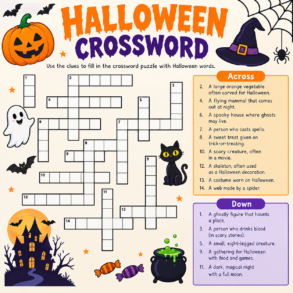
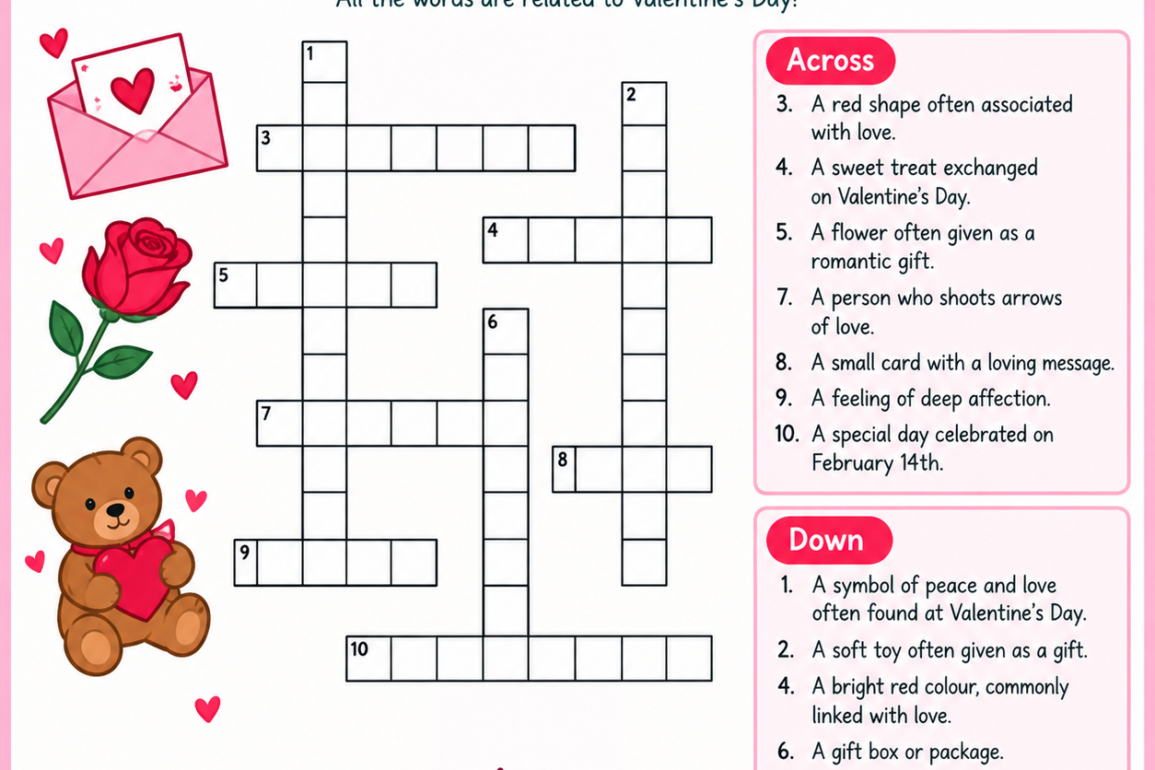
A valentines crossword is a word puzzle built around Valentine’s Day vocabulary and related themes. Players read clues and fill the answers into a grid of numbered squares. Each answer fits horizontally or vertically, and intersecting words help confirm the correct spelling.
The clues may refer to traditional symbols, seasonal gifts, friendship, emotions, and celebrations. For example, a clue such as “A red shape often associated with love” might lead to the answer “heart.” Similarly, “A sweet treat exchanged on Valentine’s Day” could refer to “candy” or “chocolate,” depending on the number of available squares.
These puzzles come in several formats. Some use simple vocabulary suitable for young children, while others include challenging clues, wordplay, and longer expressions for older players. Printable worksheets are especially useful because participants can complete them with pencils, share them with friends, or use them during classroom lessons.
Why Are Valentines Crossword Puzzles Popular?
Valentine’s Day provides a natural theme that makes ordinary word games more seasonal and interesting.
They Make Learning Enjoyable
Teachers can use a valentines crossword to introduce or review words associated with February celebrations. Students learn new vocabulary while practicing spelling and reading comprehension. Because the activity feels like a game rather than a traditional test, learners may participate more enthusiastically.
Children can also connect unfamiliar words with recognizable objects, such as greeting cards, roses, and heart-shaped decorations. This connection helps them remember vocabulary more effectively.
They Encourage Critical Thinking
When two answers intersect, a correctly identified letter can help solve another clue. This process encourages logical thinking and careful attention to detail.
A valentines crossword also teaches persistence. Players may need to reconsider an answer when the letters do not fit. Instead of immediately giving up, they can use surrounding clues to discover the correct solution.
They Bring People Together
Crossword puzzles can become social activities during classroom celebrations, family gatherings, and Valentine’s Day parties. Participants can solve clues individually, work in pairs, or compete in small teams.
Group activities encourage communication because players explain their reasoning and listen to other suggestions. Friends and family members can enjoy the challenge together without needing special equipment or expensive materials.
Common Themes Found in a Valentines Crossword
The best puzzles use familiar words that match the age and interests of their intended audience. Choosing a suitable theme makes clues easier to understand and keeps the activity enjoyable.
Love and Friendship
Words such as love, care, trust, kindness, and friendship appear frequently in Valentine’s Day puzzles. These terms provide opportunities to discuss positive relationships and the importance of treating others respectfully.
For younger students, teachers can use straightforward clues. For example, “A feeling of deep affection” may have the answer “love.” Older participants might encounter more descriptive clues involving compassion, loyalty, or appreciation.
Valentine’s Day Symbols
Traditional symbols make excellent crossword answers because players can recognize them from decorations, cards, and seasonal displays. Common examples include hearts, roses, Cupid, arrows, and doves.
A clue such as “A flower often given as a romantic gift” points toward “rose.” Another clue, “A small card containing a loving message,” may lead to “valentine.”
Gifts and Sweet Treats
Chocolate, candy, flowers, cards, and teddy bears are familiar parts of Valentine’s Day celebrations. Including these words makes a valentines crossword particularly appealing to children and casual puzzle enthusiasts.
A simple clue might ask for a sweet food made from cocoa, while a more challenging one could describe a popular gift without naming its ingredients.
Celebrations and Activities
Some puzzles include vocabulary related to parties, decorations, greetings, and special occasions. Words such as party, gift, ribbon, balloon, and celebrate can help participants connect the activity with the broader celebration.
This theme works well for classroom worksheets because it introduces useful everyday vocabulary alongside seasonal terms.
How to Solve a Valentines Crossword Successfully
Although crossword puzzles can look complicated at first, a few simple strategies make them easier to complete.
Start With the Easiest Clues
Read all the clues before filling in the grid. Identify answers that seem obvious and enter them first. Short, familiar words often provide a helpful starting point.
For example, if a clue mentions a red symbol associated with affection, “heart” may be a strong possibility. Completing easy answers creates useful letter intersections for more difficult clues.
Use the Number of Squares
Every answer must fit the available spaces. If a clue describes a flower and the grid contains four squares, “rose” is a more suitable possibility than “tulip,” which requires five letters.
Word length does not always identify the answer immediately, but it eliminates many incorrect choices.
Check Intersecting Letters
Crossword grids provide built-in hints. If one answer supplies the first letter of another word, use that information to narrow your choices. An incorrect crossing letter may indicate that an earlier answer needs revision.
When solving a valentines crossword, avoid forcing a word into the grid simply because it matches the theme. Confirm that the clue, spelling, and intersecting letters all agree.
Review Every Answer
After completing the puzzle, read the clues again and check each response. Look for spelling mistakes, missing letters, and answers that do not fit their clues. Reviewing the completed grid helps reinforce vocabulary and improves accuracy.
Valentines Crossword Activities for Different Age Groups
A well-designed puzzle should match the participants’ reading ability, vocabulary, and experience. Adjusting the complexity ensures that the activity remains challenging without becoming frustrating.
Preschool and Kindergarten Children
Young children benefit from picture-based puzzles with simple words. Teachers and parents can use illustrations of hearts, flowers, candy, and greeting cards to support understanding.
A valentines crossword for beginners should contain a small grid, short answers, and clear clues. Adults can read the clues aloud and help children identify the correct letters. This approach supports early literacy and letter recognition.
Elementary School Students
Elementary students can handle longer words and clues that require basic reading comprehension. Worksheets may include friendship vocabulary, holiday symbols, and simple descriptions of Valentine’s Day traditions.
Teachers can also organize a classroom challenge in which students complete the puzzle independently before checking answers with a partner. This activity combines individual learning with teamwork.
Teenagers and Adults
Older participants often enjoy puzzles featuring wordplay, less familiar vocabulary, or indirect clues. A valentines crossword for adults might include expressions related to affection, poetry, literature, and cultural traditions.
These puzzles work well at social gatherings, office celebrations, and community events. Organizers can offer a small prize to the first participant or team that completes the grid accurately.
How to Create Your Own Valentines Crossword
Creating a personalized puzzle allows teachers, parents, and event organizers to select vocabulary that suits their audience.
First, choose a theme, such as friendship, romantic traditions, Valentine’s Day symbols, or classroom vocabulary. Write down approximately ten to fifteen related words, depending on the intended puzzle size.
Next, develop a clear clue for every answer. Avoid clues that are too vague or have several equally reasonable solutions. For example, “A flower associated with Valentine’s Day” is clearer than “Something beautiful.”
Arrange the words in a crossword grid using shared letters wherever possible. You can draw the grid on paper or use a crossword-making tool. Check that every answer fits correctly and that the numbering matches the clues.
Finally, test the puzzle before sharing it. Solve every clue yourself, confirm the spelling, and prepare an answer key if the activity is intended for a classroom or group event. A well-tested valentines crossword should challenge participants while still providing enough information to make progress.
Benefits of Printable Valentines Crossword Worksheets
Printable worksheets are convenient because they require little preparation and can be used in many settings. Teachers can distribute them during Valentine’s Day lessons, while parents can include them in holiday activity packs.
A printable valentines crossword also provides a screen-free entertainment option. Children can focus on reading and writing without relying on electronic devices. Adults can print several copies for group competitions or use a single worksheet as a quiet activity during a party.
Digital versions offer additional flexibility. Participants can complete interactive puzzles on computers or tablets, and some platforms provide immediate feedback. The best format depends on the available equipment, the age group, and the purpose of the activity.
When selecting a worksheet, check the difficulty level, print quality, grid clarity, and suitability of the vocabulary. Younger learners generally need larger squares and simpler clues, while experienced solvers may prefer denser grids and more challenging questions.
Tips for Making Valentine’s Day Crossword Games More Exciting
A few creative changes can turn a basic worksheet into a memorable group activity. One option is to set a reasonable time limit and award points for correct answers. Another is to let participants work in pairs so they can discuss possible solutions.
You can also organize a themed puzzle station at a Valentine’s Day party. Provide pencils, printed grids, and a separate answer sheet for checking completed puzzles. Participants who finish early can try a more difficult version.
For classroom use, teachers might connect the activity with writing exercises. After finishing the puzzle, students could write a short greeting card using three new vocabulary words. This follow-up encourages them to apply the words in a meaningful context.
Remember to keep the activity welcoming. A valentines crossword should encourage participation rather than make learners feel embarrassed about incorrect answers. Offering hints and celebrating progress helps everyone enjoy the experience.
Frequently Asked Questions
What Is a Valentines Crossword Used For?
A valentines crossword provides entertainment while helping participants practice vocabulary, spelling, reading comprehension, and problem-solving. Teachers, parents, and event organizers can use it during seasonal activities.
Are Valentines Crossword Worksheets Suitable for Children?
Yes. Simple worksheets with pictures and short clues suit young learners, while older children can try puzzles with longer words and more detailed descriptions. Select a difficulty level that matches the child’s reading ability.
Where Can I Find a Printable Valentines Crossword?
You can look for printable worksheets on educational resource websites, teacher activity platforms, and free puzzle websites. Check the printing requirements and whether an answer key is included before downloading a worksheet.
Can Adults Enjoy These Crossword Puzzles?
Absolutely. Adults can solve themed puzzles individually, compete with friends, or use them as part of a Valentine’s Day gathering. More advanced versions can include wordplay and challenging vocabulary.
How Can I Make a Valentines Crossword More Educational?
Choose vocabulary that supports a learning objective, write clear clues, and discuss unfamiliar words after participants finish. You can also ask students to use selected answers in sentences or short written messages.
Conclusion
A valentines crossword is a simple yet effective way to combine seasonal fun with meaningful learning. It encourages participants to explore vocabulary, practice spelling, develop critical thinking, and enjoy friendly collaboration. From picture-based worksheets for young children to challenging puzzles for adults, there is a suitable format for almost every age group.
Whether you download a printable activity or create a personalized grid, focus on clear clues, appropriate difficulty, and enjoyable participation. By incorporating these puzzles into classroom lessons, family gatherings, or Valentine’s Day parties, you can make the celebration more interactive and memorable. The right puzzle turns a few familiar words into an opportunity for learning, laughter, and connection.