




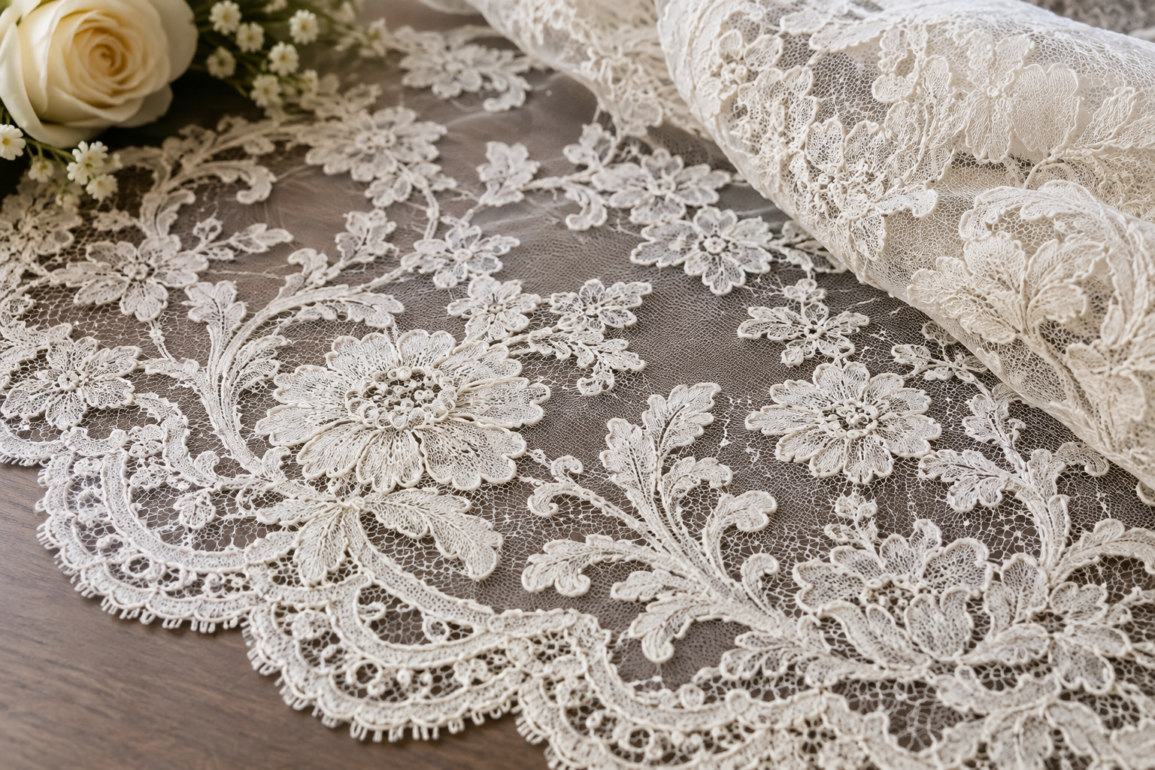
Lace has long been associated with elegance, craftsmanship, and timeless fashion. Among the many varieties available today, alencon lace holds a special place because of its delicate appearance, detailed patterns, and rich French heritage. Often recognized for its raised floral designs and refined texture, this lace has become a popular choice for bridal gowns, evening dresses, veils, accessories, and decorative projects. Its graceful appearance allows designers to create garments that look sophisticated without appearing overly complicated.
Understanding the history, characteristics, production methods, and uses of alencon lace can help shoppers and designers make better choices. Whether you are selecting fabric for a wedding dress or simply want to understand why this lace remains popular, learning about its unique qualities provides valuable insight into one of the most admired forms of decorative textile.
What Is Alencon Lace?
Alencon lace is a type of needlepoint lace traditionally associated with Alençon, a city in Normandy, France. The craft developed into a highly respected form of French lace, known for intricate motifs and carefully defined patterns. Traditional examples were produced by skilled artisans who used detailed needlework techniques to create delicate designs.
One of the most recognizable features of alencon lace is its raised decorative pattern. Floral elements, leaves, vines, scrolls, and other ornamental shapes are often outlined with a slightly heavier thread. This creates a dimensional effect that gives the fabric more visual depth than ordinary flat lace.
Modern versions may be manufactured using advanced textile techniques, making the material more accessible and affordable. Even when produced mechanically, quality examples retain the elegant appearance that made the traditional craft famous.
The History Behind Alencon Lace
The history of alencon lace is closely connected with France’s long tradition of luxury textile production. Alençon became an important center for lace-making, particularly during the seventeenth century. French royal and aristocratic circles helped increase demand for fine lace because decorative textiles were an important part of formal clothing.
Traditional Alençon needle lace required patience, precision, and considerable technical skill. Artisans worked carefully to build patterns and create the characteristic raised details. Because of the amount of labor involved, high-quality lace became associated with wealth and social status.
Over time, French lace influenced fashion across Europe. Dresses, collars, cuffs, gloves, veils, and other accessories frequently incorporated decorative lace. Although fashion trends have changed dramatically, alencon lace has continued to appeal to designers because its classic appearance works well with both traditional and contemporary styles.
What Makes Alencon Lace Different?
Several characteristics distinguish alencon lace from other varieties. Its dimensional appearance is one of the most important. Many designs feature raised outlines around floral or botanical motifs, giving the fabric a textured surface.
Another important quality is its intricate patterning. Instead of relying on a simple repeating design, this lace often contains carefully arranged flowers, leaves, vines, and ornamental details. These elements can make even a relatively small section of fabric visually interesting.
The background or mesh can also contribute to the overall appearance. Depending on the specific fabric, the motifs may stand out clearly against a delicate net-like foundation. This combination creates an elegant balance between solid decorative areas and open spaces.
The quality of the thread and construction also affects the final appearance. Premium alencon lace tends to have clean detailing, consistent stitching, and a refined finish, while lower-quality versions may have less precise patterns.
Common Designs and Patterns
Floral patterns are among the most recognizable designs associated with alencon lace. Roses, leaves, vines, blossoms, and other botanical elements frequently appear in traditional and modern interpretations.
Some fabrics feature large motifs that create a dramatic effect across a wedding gown or formal dress. Others use smaller repeating patterns for sleeves, necklines, cuffs, or accessories. Designers may also combine several motifs to create a customized appearance.
Geometric details can sometimes be incorporated alongside floral elements. This allows designers to produce styles ranging from highly traditional to modern and minimalist. The versatility of the patterns is one reason the fabric continues to appear in different areas of fashion.
Alencon Lace in Wedding Fashion
Bridal fashion is one of the most important areas where alencon lace remains popular. Its sophisticated texture makes it particularly suitable for wedding gowns, veils, bodices, sleeves, and decorative overlays.
A wedding dress featuring this lace can have a romantic and luxurious appearance without requiring excessive embellishment. Designers often place detailed lace over satin, silk, crepe, tulle, or other fabrics to create contrast between the decorative motifs and the underlying material.
The fabric can also be used selectively. For example, a designer may place lace around the neckline, along the sleeves, or across the train instead of covering the entire gown. This approach can create an elegant focal point while keeping the overall design balanced.
Brides who prefer traditional fashion often appreciate the connection between French lace-making and classic bridal design. At the same time, contemporary designers can use the material in innovative ways to create modern silhouettes.
How Alencon Lace Is Used Beyond Wedding Dresses
Although bridal fashion is strongly associated with alencon lace, its applications extend well beyond wedding gowns. Evening dresses, cocktail dresses, formal blouses, skirts, and jackets can all benefit from its decorative qualities.
The material is also useful for accessories. Designers may incorporate it into veils, gloves, handbags, hair accessories, or decorative panels. Small pieces can transform a simple garment into something more distinctive.
Home decorators and craft enthusiasts may also use lace for specialized projects. Depending on the fabric’s construction, it can be incorporated into decorative linens, fabric artwork, gift designs, or personalized clothing projects.
Choosing High-Quality Alencon Lace
When purchasing alencon lace, buyers should examine several factors rather than focusing only on appearance. The quality of the pattern, stitching, mesh, and finishing can significantly affect the final result.
Look closely at the motifs and check whether the edges appear clean and consistent. Raised details should generally be clearly defined rather than appearing uneven or poorly finished. The base fabric should also have a suitable level of strength for the intended project.
Color is another important consideration. Traditional white and ivory shades remain popular for bridal clothing, but contemporary collections can include many other colors. Selecting a shade that complements the underlying fabric can improve the overall appearance.
It is also useful to consider how the lace will behave during sewing and finishing. Some delicate varieties require careful handling, while sturdier versions may be easier for beginners to work with.
Caring for Alencon Lace
Proper care can help preserve the beauty of alencon lace for many years. Because lace can contain delicate threads and intricate details, rough handling should be avoided.
Always follow the care instructions provided with the fabric or finished garment. Some pieces may require professional cleaning, especially when the lace is attached to a formal gown or another valuable textile.
Storage also matters. Keep delicate lace in a clean, dry environment away from excessive moisture and direct sunlight. Folding should be done carefully to avoid unnecessary stress on raised decorative areas.
For valuable wedding dresses and heirloom garments, professional preservation may be preferable. Proper storage can help protect the fabric from discoloration, dust, and accidental damage.
Why Alencon Lace Remains Popular
The lasting popularity of alencon lace comes from its combination of history, craftsmanship, texture, and versatility. Unlike temporary fashion trends, detailed lace can remain visually appealing for decades.
Its ability to work with different fabrics also gives designers considerable creative freedom. A single lace pattern can produce completely different results depending on whether it is placed over satin, tulle, silk, or another material.
Another advantage is its ability to create visual detail without relying entirely on beads, sequins, or heavy embellishments. This makes it suitable for people who want a sophisticated appearance with a more refined aesthetic.
The continued use of alencon lace in bridal and formal fashion demonstrates how traditional textile techniques can remain relevant in modern design. Its French heritage adds cultural and historical value, while its decorative qualities make it practical for contemporary garments.
Final Thoughts
Alencon lace represents the enduring appeal of detailed textile craftsmanship. From its French origins to its modern use in bridal gowns, eveningwear, accessories, and creative projects, it continues to offer designers a distinctive combination of texture and elegance. Its raised motifs, delicate background, and intricate patterns give garments a sophisticated character that is difficult to achieve with ordinary fabrics.
Whether you are choosing lace for a wedding dress, designing a formal outfit, or exploring decorative textiles, understanding its qualities can help you select the right material. With appropriate care and thoughtful styling, alencon lace can remain beautiful for years while connecting modern fashion with a rich tradition of craftsmanship.